05 24 02 19 19
contact@cliniquedentairetarga.com
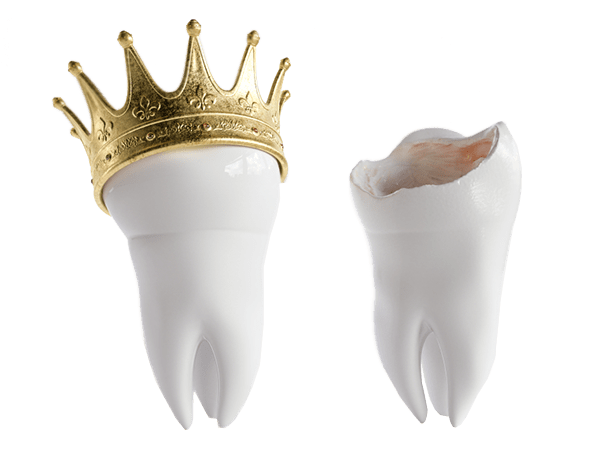
Worn teeth can be rejuvenated with the durability and natural appearance of dental crowns.
Over time, teeth can become cracked, damaged, or weakened from wear and tear and tooth decay. A dental crown rests on your tooth like a cap which maintains the remaining structure of your tooth and ensures its longevity. Crowns are designed to blend in with the color and aesthetics of your natural teeth, and in addition to restoring their strength, they can be used to improve the appearance, shape or alignment of your smile.
There are different types of materials that your dental crown can be made from. Your dentist will work with you to decide on a material that offers cosmetic benefits while meeting your oral health situation.
On the first appointment, your dentist will use a scanner to take digital impressions to send them to the lab so they can design a custom crown for you. Then a temporary crown is placed over the tooth to protect it from further damage. At the second appointment (about two weeks later), your dentist will remove the temporary crown or bridge and glue the permanent crown to your prepared tooth.
As mentioned earlier, the main purpose of a dental crown is to strengthen and protect a tooth compromised by tooth decay, a fracture, or that has undergone root canal treatment, but dental crowns are also used for cosmetic purposes.
Be sure to choose an experienced dentist to make the crowning process as quick and convenient as possible. Dental crowns are available in a range of materials. Your dentist will discuss with you which type is recommended to suit your oral health goals.
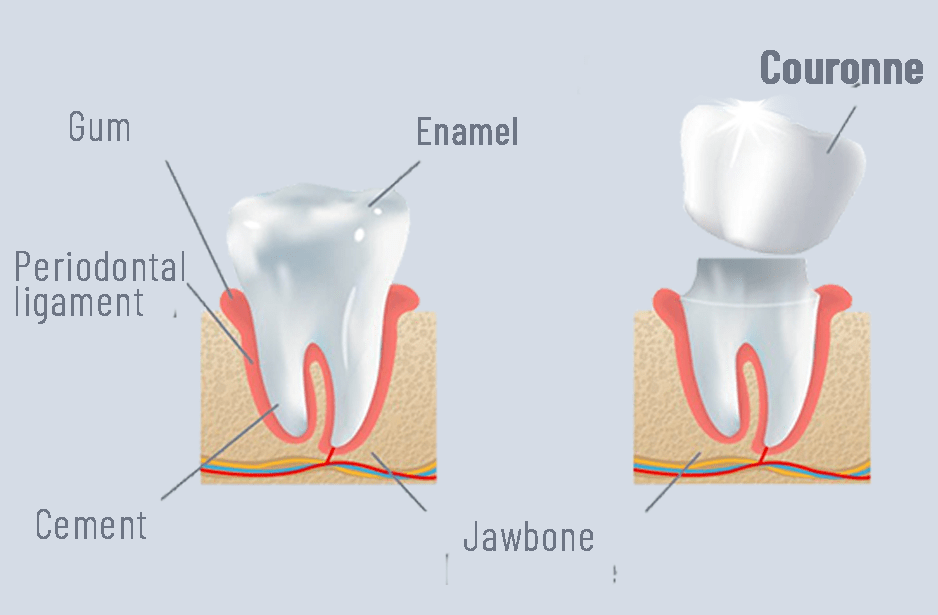
B efore a crown can be placed, the tooth in question will need to be prepared. The preparation process involves shaving off part of the tooth enamel in a process known as enamel plasty or odontoplasty. This is to reduce the thickness of the tooth slightly so that a crown can be placed on top without interfering with other teeth.
O nce the tooth is prepared, your dentist will create a digital impression of the tooth and surrounding teeth. This impression is sent to a dental manufacturing laboratory who will then fabricate the crown from the desired material. Depending on the type of procedure used, you may leave your first appointment with a temporary crown to protect your tooth.
O ur dentist will exchange the temporary crown for a permanent crown. Before attaching it, he will check its fit and appearance. This step is crucial; an ill-fitting dental crown can dramatically reduce its lifespan. If the dentist finds that the crown is free from defects, he will proceed with the permanent fixation.
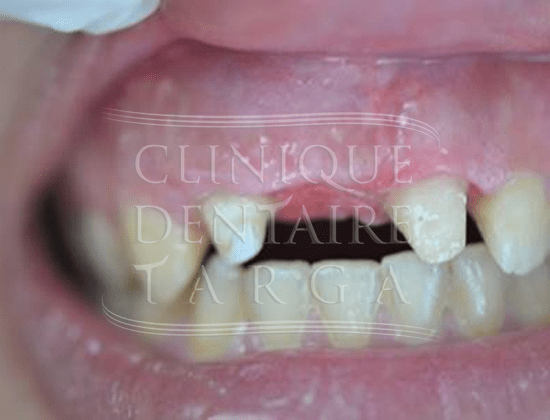
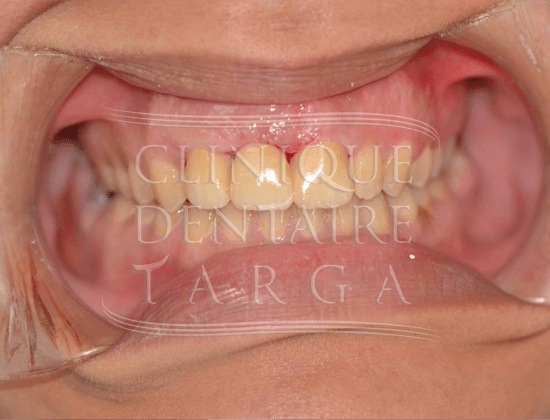
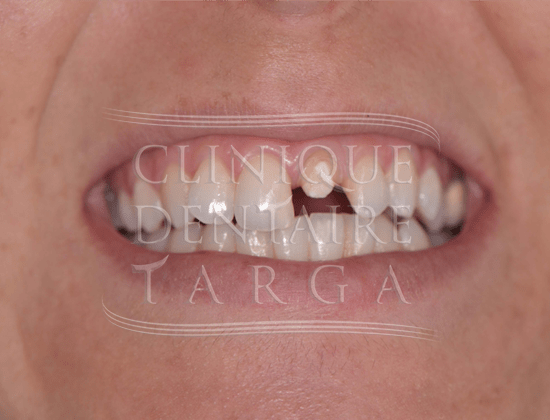
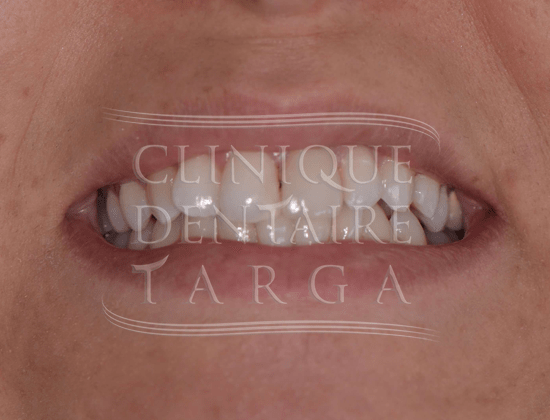
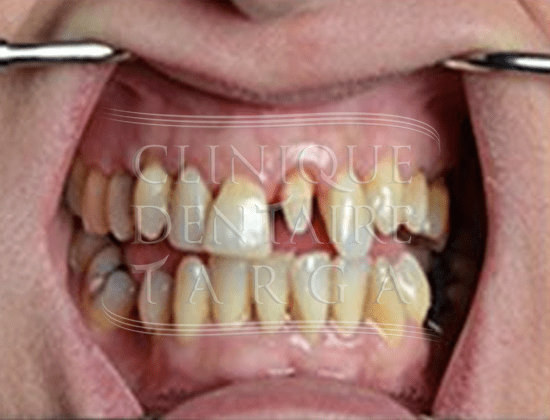
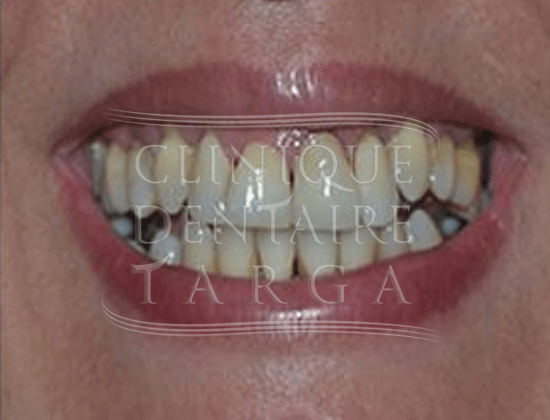
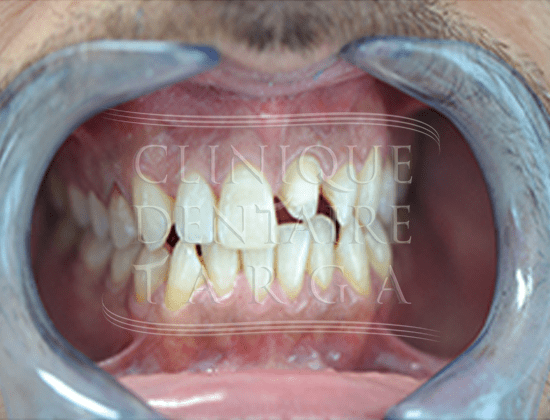
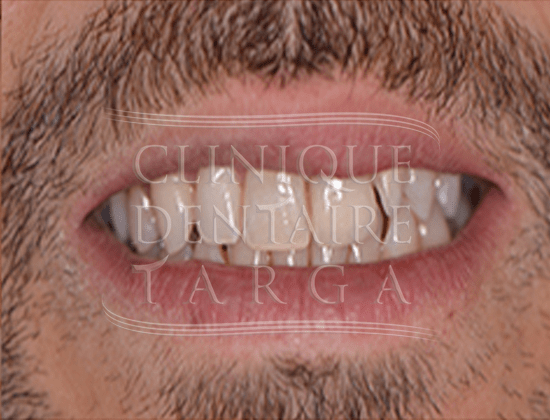
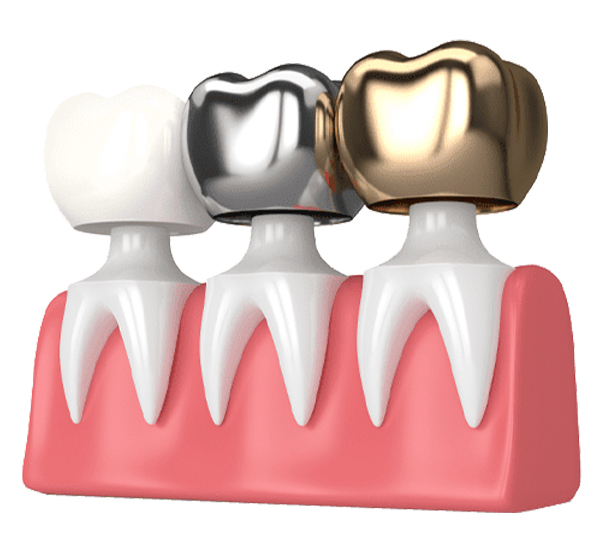
Among the common materials used for the design of dental crowns we find :
At the end of the treatment, you will receive information and advice on how to maintain your dental restoration. A certain sensitivity is to be expected in the days and weeks following the installation of your crown. It is important to note that although dental crowns require proper oral health care. Keeping the gums healthy is also important cosmetically, as a receding gum line can reveal the crown margin, which will require crown lengthening later.
Your dentist can warn you about certain things:

Do you have an extremely discolored and unsightly tooth? A particularly weak tooth? Or you want …

Do you suffer from one or more broken teeth broken following an accident or other? Composite can restore …